Built-in Supports
Support for every learner, built in
UDL, ELL, equity, SEL, trauma-informed safeguards, and Indigenous resource pathways, woven into the planning flow when you need them, and always in your control.
Review AI-generated supports. CARL gives you a draft starting point. Please review, edit, and confirm all AI-generated content before using it with learners.
Inclusive Supports
Equity and accessibility are part of the planning flow
CARL can add deeper supports when you need them, while keeping teachers in control of what belongs in the final lesson.
UDL & DI pathways
Text load, executive function, sensory needs, participation, and expression.
Equity & inclusion
Representation, access, belonging, and fair participation.
Student voice
Choice, reflection, and protocols that give students a real say.
Social-emotional learning
Check-ins, self-regulation cues, and space for the emotional side of the lesson.
Trauma-informed safeguards
Predictability, opt-in sharing, pass protocols, and safer structures for sensitive topics.
Indigenous Resource Pathways
Points to vetted Indigenous-authored resources; names boundaries instead of generating Indigenous teachings. Our commitments →
Inclusive image generation
Images that reflect the real diversity of your classroom.
ELL supports
Vocabulary supports, sentence frames, and language scaffolds.
Built in, not bolted on
Support that’s already there, and more when you ask
Every unit plan comes with a baseline of equity, SEL, and trauma-informed support built in. Ask for more and CARL writes it into the lesson too, each pairing teacher guidance with a student-facing suggestion.
A real Lesson Enhancements sheet, generated from a lesson. Switch subjects to see the suggestions for a different one.
Preview coming soon
A real CARL document will render here, scrollable and ready to print.
Auto on every unitEquity · SEL · Trauma-informed
Ask for moreUDL & DI · ELL scaffolds · Student voice · Indigenous Resource Pathways
You pick which enhancements to generate, keep what fits, and delete the rest. CARL drafts the options; you make the calls.
CARL is a planning tool, not a counsellor or mental-health professional. Review and confirm all AI-generated content before using it with learners, and follow your school or district protocols if a student is distressed or discloses harm.Indigenous Resource Pathways point to teacher-facing resources only, never generated Indigenous knowledge, protocols, or teachings. Confirm local context with appropriate sources or community contacts.
Inclusive image generation
Everyone gets to be the hero
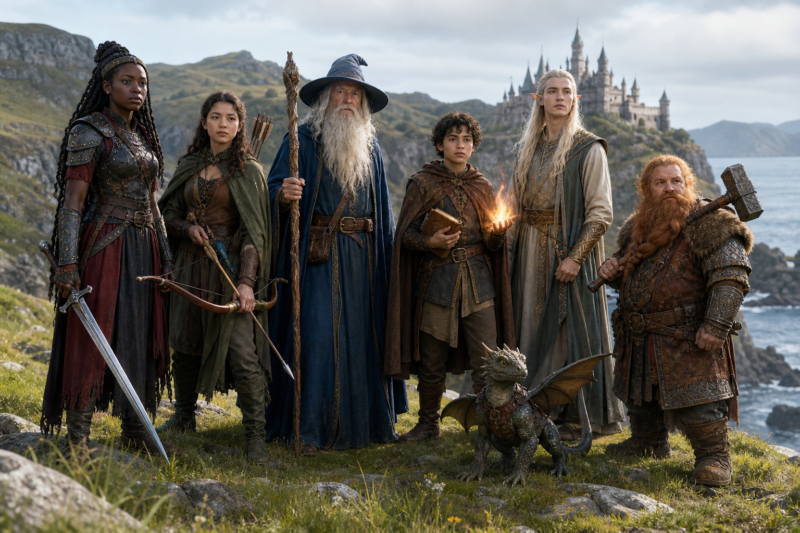
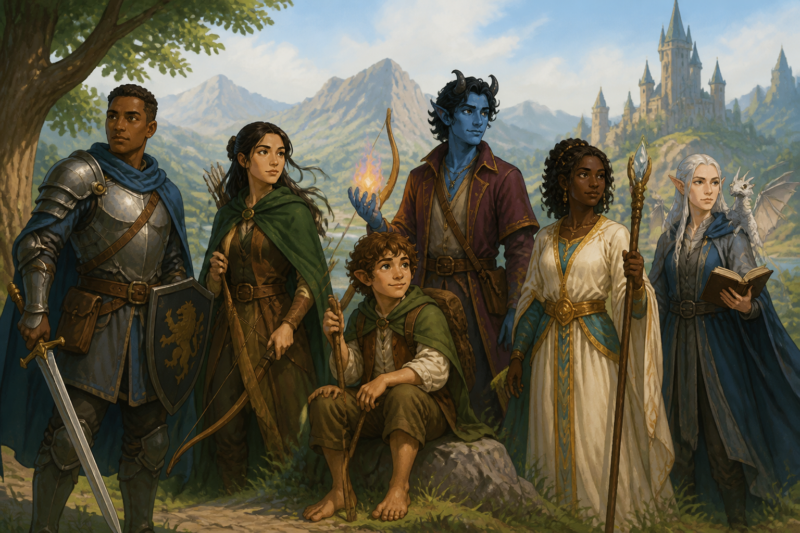
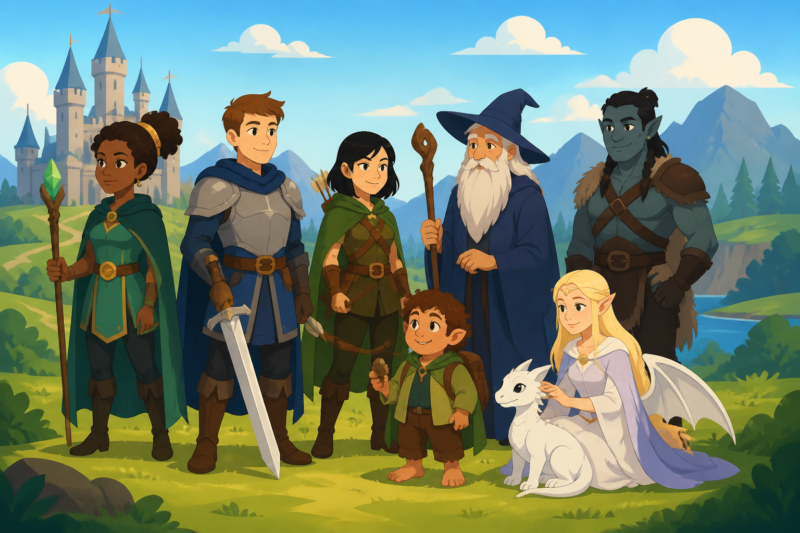
Ask for a fantasy party and CARL aims for a real cast, in whatever style your lesson needs: guardrails guide every image toward a range of age, skin tone, body type, gender expression, disability, and cultural dress, and away from tokenism or caricature. The diversity sits inside the world you asked for. As always, you make the final decision for which images reach students.
Prompt: a fantasy adventuring party
rendered in three styles
Photoreal
A warrior, archer, wizard, mage, elf, and dwarf, with a small dragon.
Illustrated
A knight, ranger, healer and elf, with a castle behind them.
Animated
A mage, knight, ranger, halfling and elf holding a small dragon.
Same prompt, every style, the cast stays varied
Diversity sits inside the world you asked for
Guardrails against tokenism and caricature
Honest about AI’s limits
Values-based guardrails
CARL doesn’t claim AI can be bias-free. It claims something more useful: values built into the design, and a teacher in control of every call.
Teacher review, built in
AI can be wrong, sometimes confidently. Every output lands as an editable draft, and nothing reaches students without you.
Inclusion guardrails
Lessons and images are steered toward real representation and away from tokenism and caricature, with you making the final call.
Boundaries by design
Indigenous Resource Pathways points to real Indigenous-authored resources; CARL does not generate or interpret teachings, protocols, or ceremonies.
Frequently Asked Questions

Common questions from educators about using CARL
UDL and DI pathways, ELL scaffolds, equity and inclusion prompts, SEL check-ins, trauma-informed safeguards, and Indigenous resource pathways, connected to the lesson you’re planning.
You’re in control. CARL can add deeper supports when you ask for them, and you decide what actually belongs in the lesson.
It points you toward Indigenous-authored sources and names a gap rather than inventing a connection. CARL does not generate or interpret Indigenous teachings. See Our Commitments for the full boundary.
No. It includes guardrails to reduce narrow defaults and prompt broader representation, but you make the final decision on what reaches students.
Vocabulary supports, sentence frames, language scaffolds, and adjusted participation options, differentiated by language proficiency.
Supports map to UDL principles (multiple means of access, expression, and participation) and are framed as universal, not “for some students only.”
A plan for reaching every student.
The built-in supports show you how to adapt for real classrooms: UDL, ELL, SEL, equity, and Indigenous Resource Pathways, connected to the lesson you are planning.