
Building CARL

AI Lesson Planning Is a Great Insole, But It’s Not the Whole Shoe

I know, weird metaphor. But stay with me.

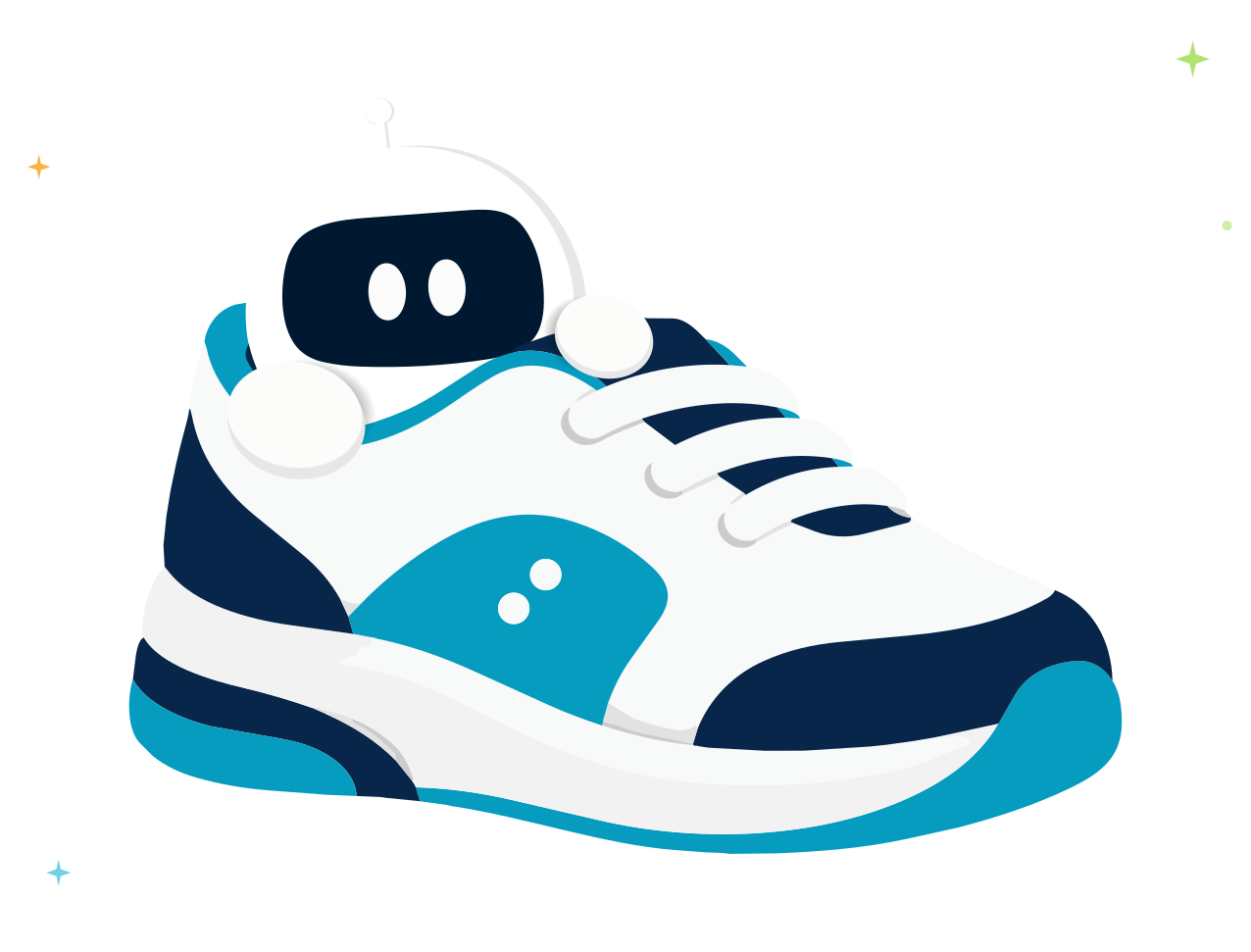
A good insole can make the whole shoe more comfortable. It can reduce strain, add support, and make a long day feel a little easier. But the insole isn’t the shoe. You still need the structure, the fit, the purpose, the style, and the person wearing it.

That’s how I think about AI and planning.

AI can do a lot. It can help organize ideas, suggest activities, generate first drafts, create alternate formats, and offer supports for diverse learners. Used well, it can make parts of planning faster and less overwhelming.

But AI shouldn’t become the whole system.

At CARL, we’re not building around the idea that teachers should open a blank AI prompt every time they need a lesson, resource, activity, rubric, or adaptation. That may work sometimes, but it’s not the most sustainable model for AI-supported practice. It can still leave teachers doing a lot of explaining, checking, reworking, formatting, and rebuilding.

In other words, AI can help—but it shouldn’t become another place where teachers have to start from scratch.

CARL is being designed from a different starting point: teachers should be able to build from what already exists, adapt what already works, and use AI where it actually makes the process easier.

Starting Fresh Shouldn’t Mean Starting from Nothing

There’s a lot of excitement around AI-generated lesson plans, and I understand why. It can feel pretty impressive to type in a topic and get a full lesson back a few seconds later.

But the “blank prompt to full lesson” model has limits.

A topic and grade level can produce a starting point, but they’re not enough to make a lesson truly tailored. A Grade 6 ecosystems lesson can look very different depending on the curriculum, class profile, time available, learner needs, language supports, accessibility considerations, available materials, and the teacher’s goals.

That context is what turns a generic draft into something actually useful.

So “starting from scratch” in CARL doesn’t mean starting from nothing.

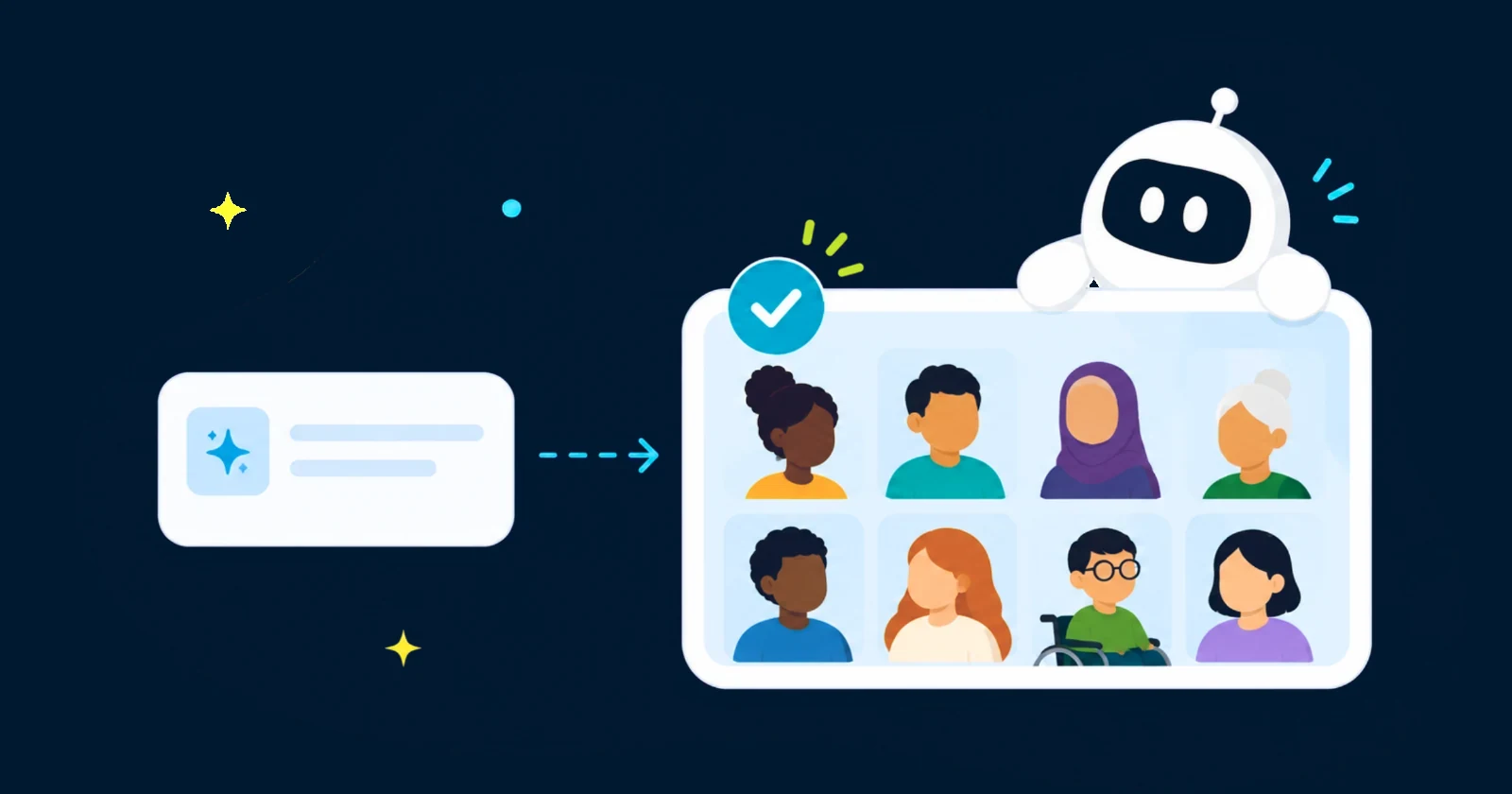
Even when a teacher chooses to create a new lesson, CARL can build from the context they provide: grade level, subject area, curriculum, lesson length, learning goals, learner needs (without requiring identifying student information), accessibility considerations, ELL/EAL supports, and details from a Saved Class Profile.

The result isn’t magic, and it still needs teacher review. But it starts from more than a topic and grade level, which means teachers aren’t spending as much time trying to force a generic lesson to fit (no stepsister-and-the-glass-slipper situation here).

So yes, CARL can help teachers begin a new plan. But the goal still isn’t blank-page AI generation. The goal is context-aware planning, with teachers shaping the direction from the start.

The Library Changes the Workflow

In one of our first surveys, we asked teachers where they found their teaching materials.

They pull from past lessons. They borrow from colleagues. They adapt materials they’ve used before. They search through social media, websites, shared drives, curriculum documents, old handouts, district resources, and in one case, “dusty old files.”

That’s not a weakness. That’s part of how teaching works.

Good planning often involves recognizing what’s already useful, then adjusting it for the students in front of you. Maybe the example needs to be more local. Maybe the instructions need to be adapted. Maybe the assessment needs a choice-based option. Maybe the reading level needs support. Maybe the activity is strong, but the reflection prompt needs work.

Those aren’t failures of the original resource. They’re normal, thoughtful, context-specific teaching decisions.

CARL is being built to support that reality.

Instead of assuming every teacher needs to generate something brand new every time, CARL is designed to help teachers find, use, remix, and contribute resources in a way that makes the work more reusable over time.

A healthier workflow might look like this:

Start with a teacher-informed class context and create a lesson with AI support.

Or start with a teacher-created lesson from the library and remix it for your own class.

In either case, teachers review, adapt, and improve the resource using their professional judgment, with CARL-Assist available when it helps.

This is where AI becomes more useful: inside a larger system of shared resources and ongoing improvement.

If every teacher is always generating from scratch, the work disappears into individual documents and one-off outputs. But if teachers can build from a shared library, add context, contribute supports, and remix what already works, the work can keep growing.

That’s a very different model.

Remixing Beats Constant Regeneration

Remixing is one of CARL’s most distinct features.

In CARL, remixing means making small contextual or instructional edits to an existing lesson or resource. That might mean changing the location or examples, adjusting the language for a different learner group, adding movement breaks, modifying the assessment, or adapting the lesson for a different time frame.

It doesn’t mean throwing away the original. It means building from it.

Teachers shouldn’t have to choose between using a resource exactly as-is or starting from nothing. There should be a middle space where adaptation is expected, credited, and useful to the next person.

Remixing also doesn’t require AI.

Teachers can adapt resources themselves by changing examples, adjusting assessments, or adding supports for different learners. CARL-Assist is available when it helps, but the process remains teacher-led. AI can suggest adaptations, reorganize content, or help fill gaps, but the decisions still come from a teacher’s understanding of their classroom context.

You know why the change is needed. You decide what fits. You bring the resource into your classroom.

Contributing Helps the Library Grow

Remixing is one piece of the workflow. Contributing is another.

In CARL, contributing means uploading an add-on connected to an existing lesson, such as an alternate assessment, a different format, a related activity, a handout, or a teaching support.

Not every teacher needs to rewrite a whole lesson to make a useful contribution. Sometimes the most helpful thing is a strong rubric, a discussion prompt, a visual organizer, an extension activity, or an ELL/EAL scaffold that connects to a lesson someone else has already shared.

Small contributions can make a resource more useful for more classrooms.

Over time, this creates a library that isn’t static. Lessons can gain new supports, formats, examples, and assessment options. Teachers can see how a resource has grown and decide which version or component works best for their context.

(This also matters for people who are concerned about the environmental impact of AI. CARL doesn’t remove that concern, but as the library grows, teachers may have more chances to reuse, remix, and adapt existing resources instead of generating everything from zero every time.)

That’s much more powerful than a folder full of disconnected files.

It’s also much more human.

Collaboration Keeps People at the Centre

Lesson planning can become isolating, especially when teachers are doing so much of it outside regular working hours.

That’s another reason we don’t want CARL to be just an AI generator.

If the tool only generates private outputs for one person at a time, it misses a bigger opportunity: helping teachers learn from each other’s work.

Collaboration doesn’t always need to mean co-editing a lesson in real time. Sometimes it’s as simple as seeing how another teacher adapted a resource, noticing what supports they added, or using a component they contributed because it fits your class too.

Good teaching materials don’t have to be “finished” once they’re uploaded. They can keep improving as different educators bring different strengths, contexts, and ideas to them.

AI can help organize that process, but it shouldn’t replace the people in it.

Thoughtful Support, Not Total Dependence

This is where I think the conversation about AI in education needs to be more careful.

There’s a difference between using AI well and relying on AI for everything.

Using AI well means asking where it actually reduces repetitive work, where it supports accessibility, where it helps organize information, and where it gives teachers a stronger starting point. Used thoughtfully, AI can help surface additional perspectives and offer useful options. Used carelessly, it can reinforce stereotypes, flatten context, or spread misinformation.

Relying on AI for everything risks making the work more generic, more disconnected, and sometimes more time-consuming to verify.

CARL is being built around the first version.

We want AI to help with the parts of planning that are often repetitive, time-consuming, or hard to organize manually. But we also want the workflow to keep teacher-created resources, professional judgment, remixing, contribution, and collaboration at the centre.

Because teaching isn’t a blank prompt problem.

It’s a human, contextual, collaborative profession.

The Bottom Line

AI is part of CARL, but it’s not the whole story.

The bigger story is a resource library that teachers can actually build with. A place where resources are easier to find, lessons can be adapted instead of recreated, contributions stay connected, and teacher-created work can keep growing instead of disappearing into one-time documents.

That’s the direction we’re building toward: a system where AI supports the work, but doesn’t define it. Teachers remain the decision-makers, the library provides the foundation, and remixing and collaboration help resources improve over time.

AI is part of that process, but it’s not the centre of it.